Corn Flour: The Secret Ingredient for Perfect Cooking and Baking
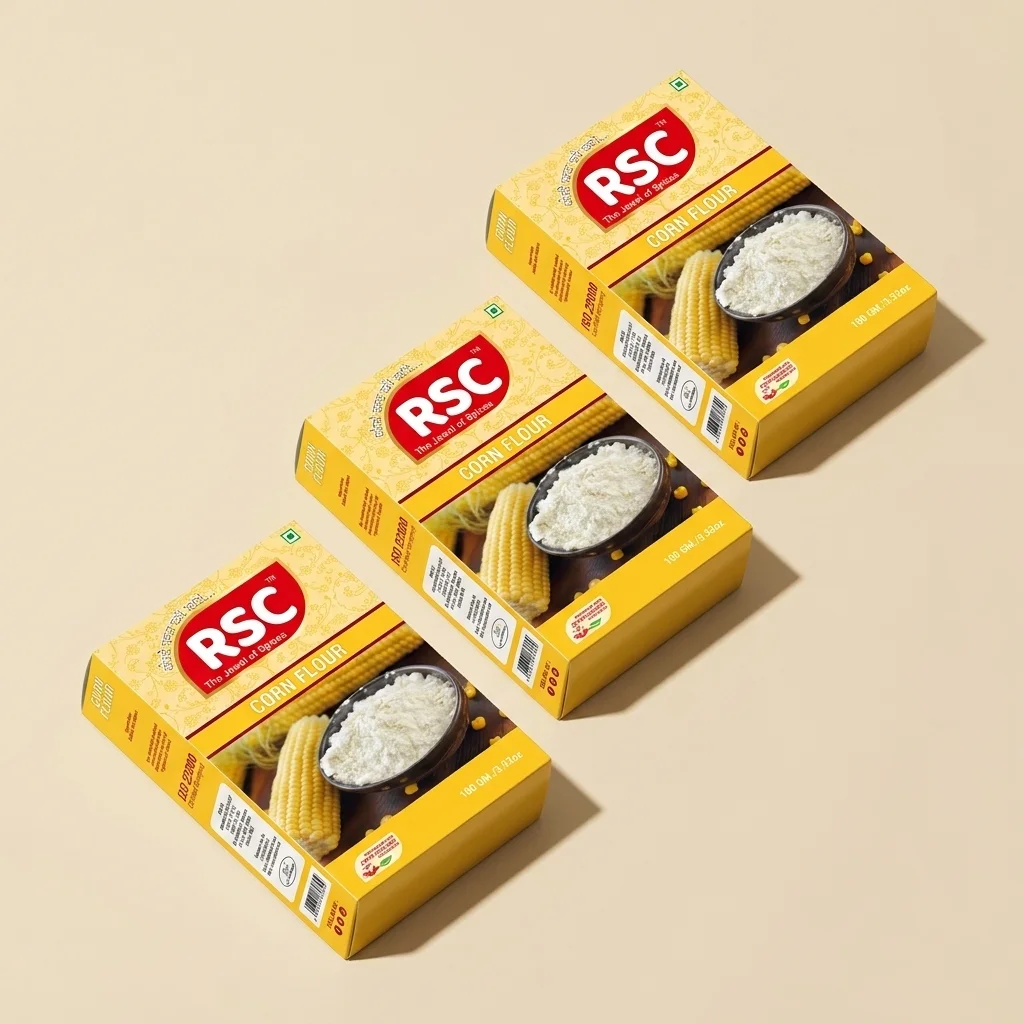
Table of Contents
Introduction
Corn Flour, made from finely ground maize, is a versatile ingredient widely used in Indian and international kitchens. Known for its smooth texture and neutral flavor, it acts as a thickening agent, binding agent, and a key ingredient in many recipes. From gravies and soups to baking and frying, corn flour is a pantry essential for creating perfect textures and consistency in dishes.
Flavor and Culinary Uses
Corn Flour has a mild, neutral flavor that blends seamlessly into both savory and sweet recipes. Unlike wheat flour, it doesn’t alter the taste of dishes, making it ideal for thickening, baking, and coating.
Popular uses include:
- Thickening Gravies and Soups: Adds smooth texture to sauces, curries, and soups.
- Baking: Used in cakes, cookies, and pastries for lighter texture.
- Coating and Frying: Helps create crispy coatings for fried snacks and vegetables.
- Binding: Acts as a binder in cutlets, patties, and doughs.
- Desserts: Adds structure to puddings, custards, and other sweet dishes.
Cooking tip: Mix corn flour with cold water before adding to hot dishes to prevent lumps.
Recipes to Try
- Vegetable Gravy: Add a corn flour slurry to thicken mixed vegetable curry or paneer gravy.
- Fried Snacks: Coat pakoras, chicken nuggets, or tofu cubes with corn flour for a crisp outer layer.
- Cakes and Cookies: Replace part of the flour with corn flour to make soft, light-textured baked goods.
- Corn Flour Custard: Use it to make creamy custards and puddings for desserts.
- Sauces and Soups: Mix with water to create a smooth, thick consistency in soups and sauces.
Health Benefits
- Gluten-Free Alternative: Suitable for people with gluten intolerance or celiac disease.
- Low in Calories: Helps thicken and bind dishes without adding much fat or calories.
- Easy to Digest: Gentle on the stomach, making it ideal for soups and light meals.
- Versatile Ingredient: Can be used in both savory and sweet dishes, adding nutritional value without changing flavor.
Storage and Tips
- Store in an airtight container in a cool, dry place to maintain freshness.
- Avoid exposure to moisture to prevent clumping.
- Mix thoroughly with cold water before adding to hot dishes to avoid lumps.
- Can be combined with wheat flour or rice flour for baking to improve texture.
Fun Facts
- Corn flour is different from cornstarch in some regions—corn flour is finer and can be used in baking, while cornstarch is primarily for thickening.
- It’s been used in global cuisines, from Indian gravies to Western cakes and puddings.
- Known for creating smooth textures, corn flour is a favorite in both home cooking and professional kitchens.
- Adds crispiness to fried foods and creaminess to soups and gravies without changing the flavor.
Why Choose RSC Corn Flour
RSC Corn Flour is made from premium quality maize, finely ground to ensure smooth texture and consistent performance in cooking and baking. Free from additives and preservatives, it guarantees superior results, whether you’re thickening a curry, baking a cake, or preparing a crispy snack.
Conclusion
Corn Flour may seem simple, but it’s a versatile powerhouse in the kitchen. From thickening curries and soups to creating light, fluffy baked goods, it enhances the texture, consistency, and quality of every dish. Keep RSC Corn Flour in your pantry for reliable, high-quality results every time.